
Activities change
During the world wars, the Seamen's Mission's domestic work was busy, but stations abroad were closed instead. In 1945, activities abroad began to recover. The largest number of visitors was in Antwerp.
The 1960s initiated changes in shipping. The size of the ships increased, the number of crews decreased. Large ports were established far from the centers of the cities. The new social facilities of the ships were good, the discharging and loading times of the cargo were reduced, and the crew no longer had time for the seamen’s churches to spend their leisure time. The chaplains began to increase their visits to the ships as needed.
Tourism and international interaction increased, bringing new groups of visitors to the seamen's churches. Finland's accession to the European Union also launched operations in the non-port city of Brussels in 2000.
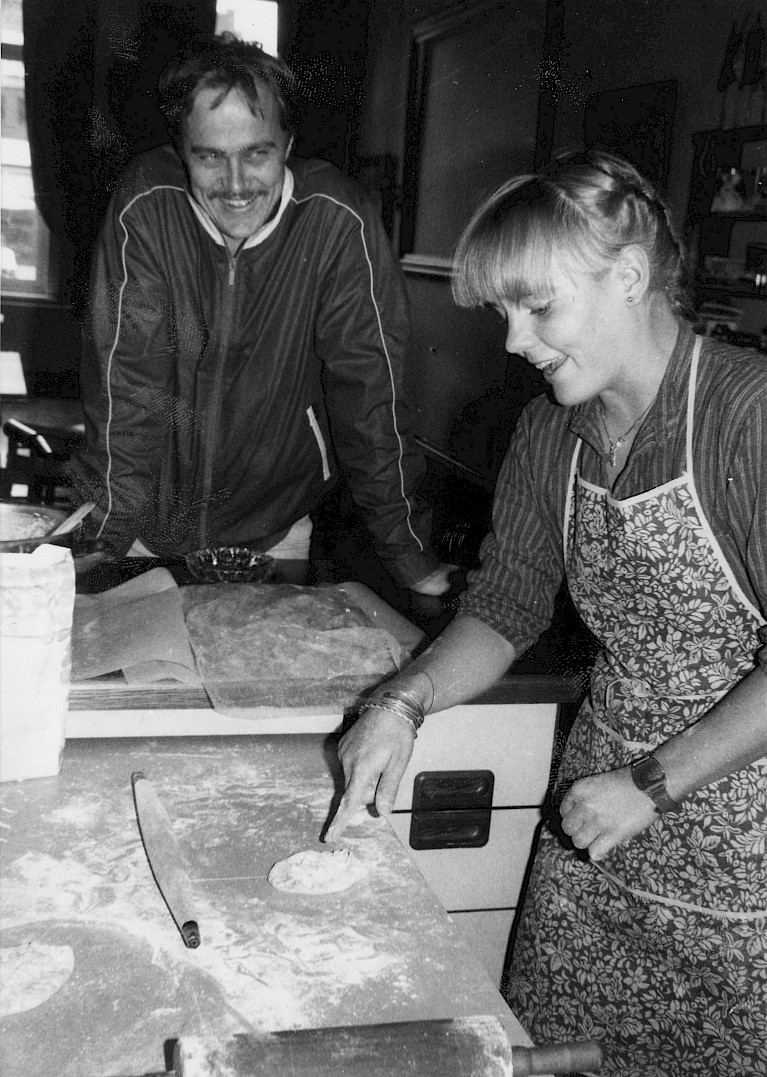
The Seamen’s Church has developed and diversified into a cultural centre that serves all people on the move and a multi-purpose house that promotes social well-being. There has always been mobile work done from the seamen's churches outside the locations. In Finland, the work of the Seamen’s Church is focused on seafarers, while activities abroad are very diverse, including social work.
Being up-to-date is the lifeblood of a functioning and flexible Seamen’s Church. During its 150-year history, the sites have not only been opened but also closed if the situation so requires. A total of 30 Finnish seamen's churches have been opened abroad, of which four are currently in operation: in London, Brussels, Rotterdam and Hamburg. There are also activities in Spain's Costa del Sol, Ireland, Luxembourg, Poland, Tallinn and the Far East. In addition to Hamburg, three chaplains work in Germany.